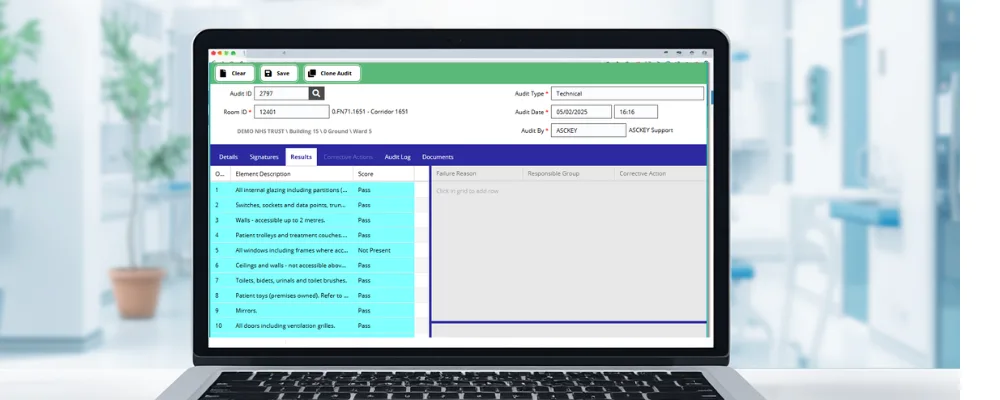
A CAFM system must connect all estate operations, compliance, and facilitate data-driven decision-making, whilst being usable across the organisation. This includes mobile apps for engineers and estates teams, self-service portals for staff to log requests, and role-based dashboards for decision-makers vs operational staff. Poor usability is one of the biggest barriers to adopting any new system.
Beyond core functionality
The core functionality of a CAFM system remains crucial, including Planned Preventative Maintenance Planning (PPM) scheduling. However, for a more active and mobile workforce, systems need to allow for reactive job logging via mobile devices. The quicker an issue can be reported, the quicker it can be rectified. With many Trusts outsourcing work to contractors, mobile-first capability is critical, especially to enable engineers to receive and update jobs in real-time.
With Trusts under pressure to perform with tighter budgets, every asset counts. Maintaining a comprehensive asset register, including tracking asset lifecycle, is imperative for Trusts to reduce reactive spend. A CAFM system needs to encourage condition-based maintenance planning to enable smarter capital and resource planning.
Healthcare estates are heavily regulated. Tracking statutory compliance and regulations is an expected feature of a CAFM system. This should include storing certifications and providing audit trails, providing alerts for upcoming compliance deadlines or certificate renewals. Another area being regulated within the NHS is its carbon footprint. Climate change poses a risk to service delivery and is considered a financial threat to the NHS, impacting both infrastructure and service provision.
Future-proofing FM
The NHS aims to be Net Zero by 2040 (direct emissions), and FM software suppliers need to consider how they can help healthcare estates to meet this target. Instead of reacting to failures, FM software can schedule maintenance based on actual usage or sensor data. This can extend an asset’s lifespan and help prevent/reduce energy-intensive breakdowns. By optimising inventory and reducing waste, along with minimising unnecessary deliveries or service visits, estates departments can reduce their emissions.
A CAFM in a digitally-enabled estate is no longer just a maintenance tool—it’s a strategic data platform that ensures compliance; optimises estate performance; supports service delivery; and allows for more efficient long-term capital and resource planning.